Exploring Color Psychology in Interior Design
Color plays a crucial role in interior design, influencing mood, perception, and even behavior. Understanding color psychology can provide valuable insights for those looking to refresh their spaces without extensive construction work.
Understanding Color Psychology
Color psychology is the study of how colors affect human emotions and behaviors. According to research, colors can evoke specific feelings and associations, which is essential for creating a desired atmosphere in a room. For instance, warm colors, like red and orange, are often linked to energy and warmth, while cool colors, like blue and green, tend to create a calming effect.
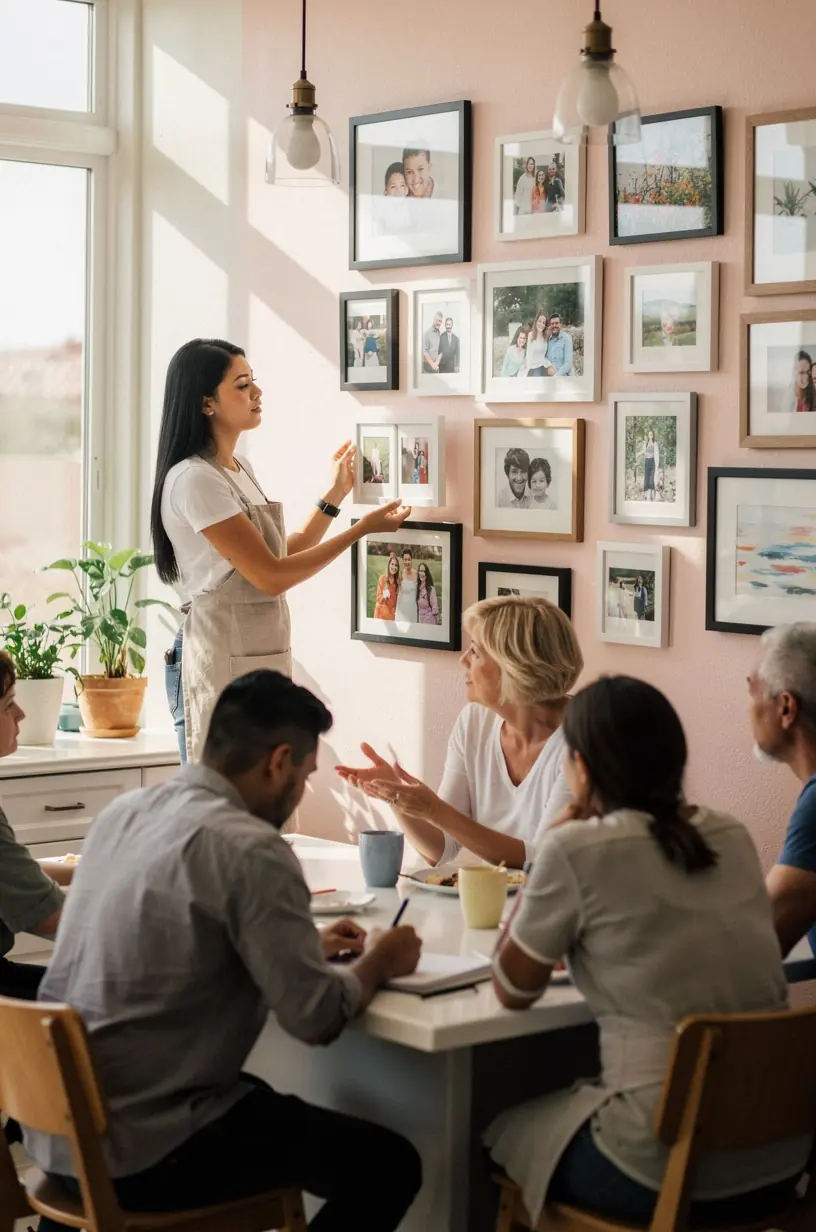
"Research indicates that color can influence everything from productivity to relaxation, making it a powerful tool in interior design."
Common Color Associations
Here are some typical associations that can guide your color choices:
- Red: Often associated with passion and excitement, red can stimulate energy levels and increase heart rates, making it suitable for social areas.
- Blue: Known for its calming properties, blue is frequently used in bedrooms and bathrooms to promote tranquility and relaxation.
- Green: Represents nature and vitality, green can create a refreshing atmosphere, ideal for living rooms and offices.
- Yellow: Often linked to happiness and optimism, yellow can brighten up spaces but should be used sparingly, as too much can lead to agitation.
Practical Application of Color Psychology
When planning an interior refresh, consider the following steps to effectively implement color psychology:
- Assess the Purpose of Each Room: Determine how you want each space to feel. For example, a home office may benefit from energizing colors, while a bedroom should lean towards calming hues.
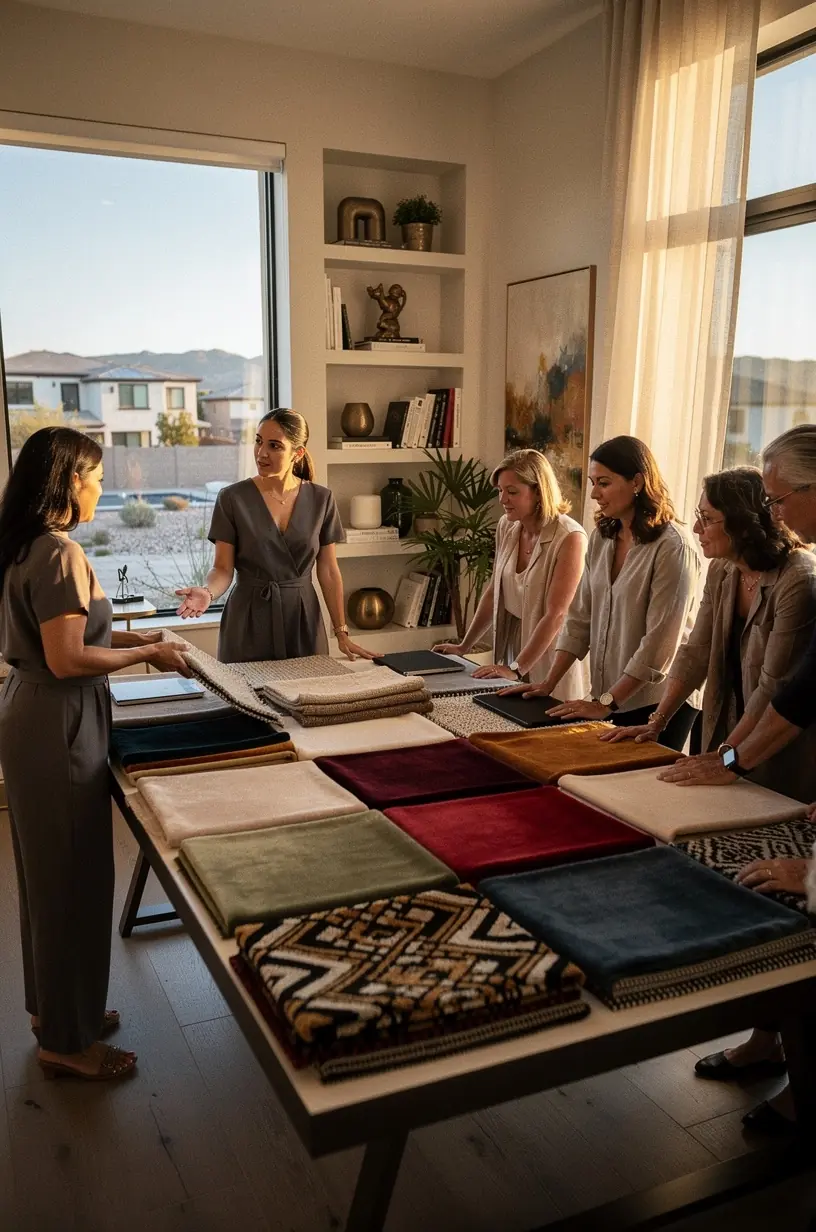
- Experiment with Color Swatches: Before making a final decision, test paint samples in different lighting conditions. This approach helps you see how colors change throughout the day and how they interact with existing furnishings.
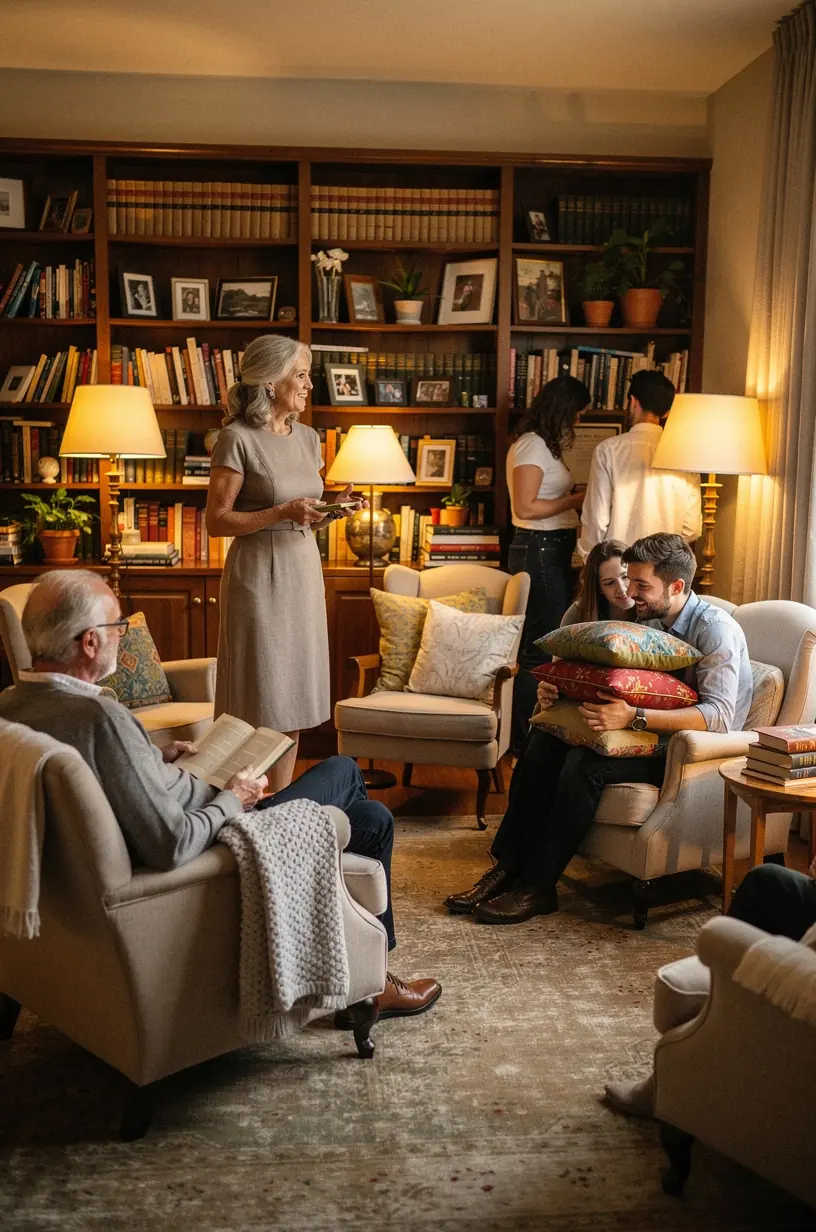
- Incorporate Accents: If you’re hesitant about bold colors, consider using them as accents. Pillows, artwork, or decorative items can introduce vibrant colors without overwhelming the space.
Considerations and Limitations
While color can significantly impact the ambiance of a space, it’s important to recognize that:
- Color preferences are subjective; what works for one person may not resonate with another.
- Changing a room's color may require additional time for acclimatization, typically taking a few days to fully appreciate the new atmosphere.
- Not all color combinations will be harmonious; following a color wheel or consulting with a color expert may be beneficial.
Conclusion
Exploring color psychology can enhance the effectiveness of your interior refresh workshops. By understanding how colors influence emotions and behaviors, you can create spaces that resonate with your needs and preferences. Remember, the right color choices can lead to improved mood and functionality in your home, contributing to a more inviting and energizing environment.
Learn More