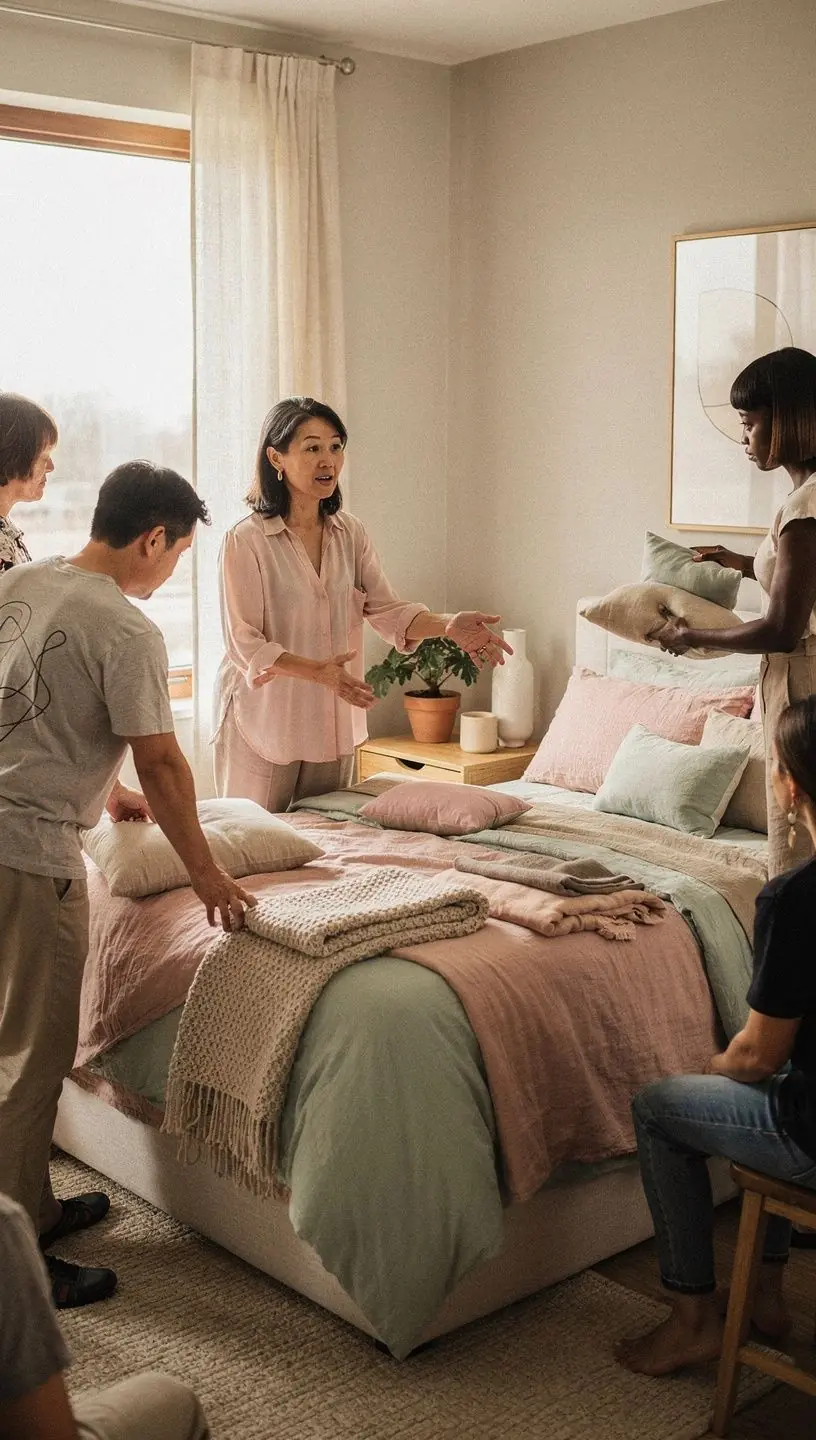
How to Curate Decorative Accessories Effectively
Decorative accessories can transform a space, adding personality and warmth. However, curating them effectively requires a thoughtful approach. This article explores practical tips and insights on how to select and arrange accessories in a way that enhances your interior without the need for construction work.
Understanding the Essentials
According to interior design experts, decorative accessories play a crucial role in creating a cohesive look in any space. Accessories can include items such as vases, sculptures, books, and art pieces. Often, these elements help to reflect your personal style while also making your environment more inviting. The principle behind effective curation is balance; combining various shapes, sizes, and textures can create visual interest.
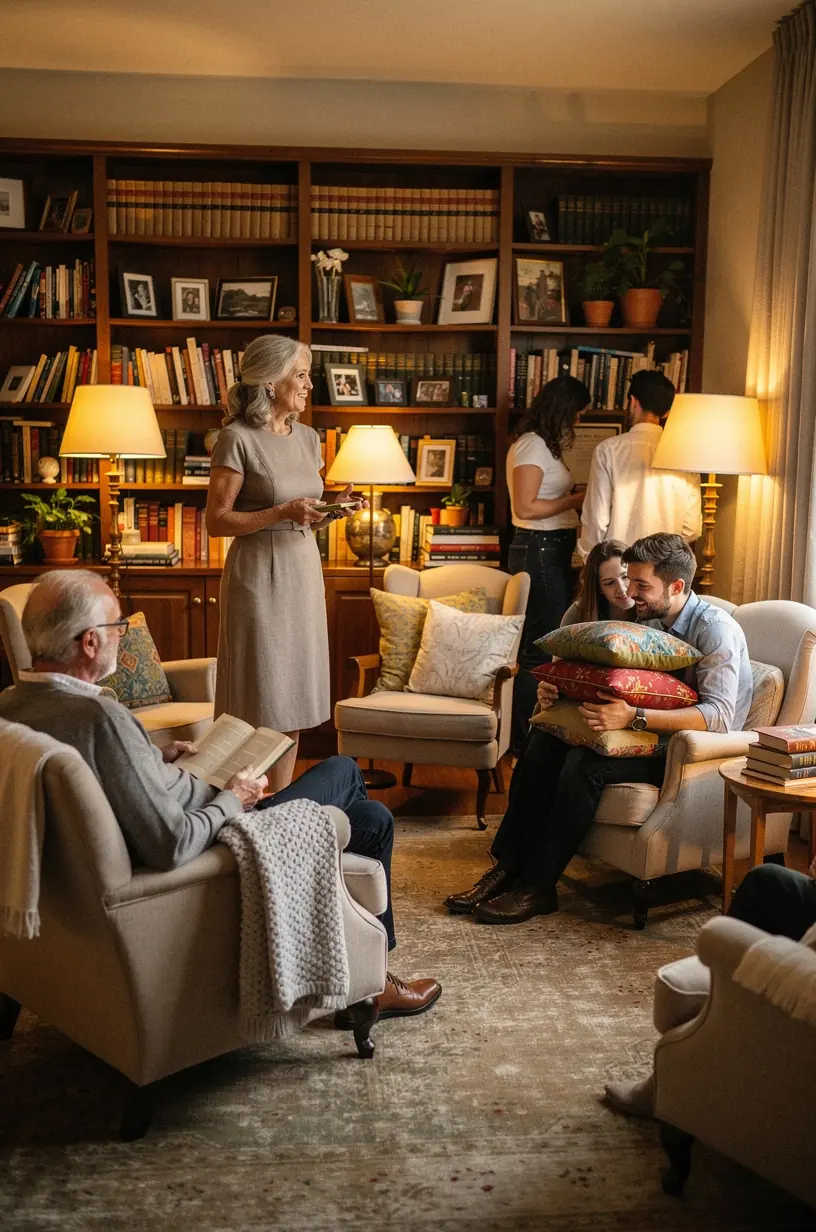
"A well-curated space reflects personal taste while maintaining balance and harmony." - Interior Design Expert
Steps to Curate Decorative Accessories
- Identify Your Style: Before selecting accessories, take time to understand your personal style. Many users find that defining a color palette or theme helps streamline the selection process. Research indicates that spaces feel more harmonious when accessories align with a central theme.
- Mix and Match: Combining different textures and materials can enhance visual appeal. For instance, pairing glass with wood or metal can create a striking contrast. Experts recommend varying the heights and sizes of accessories to prevent monotony and create a dynamic display.
- Consider Functionality: In most cases, accessories should not only be decorative but also serve a purpose. For example, stylish storage boxes can keep clutter at bay while also contributing to your decor. This approach allows for a practical yet aesthetically pleasing arrangement.
Common Mistakes to Avoid
While curating accessories, it’s essential to avoid common pitfalls that could undermine your efforts. Some of these include:
- Overcrowding: Many users report that less is often more. A cluttered space can feel chaotic and uninviting. Effective curation typically involves leaving some space empty to allow the accessories to breathe.
- Lack of Cohesion: Accessories that don’t relate to one another can create a disjointed look. Ensure that even while mixing different items, there is a thread of consistency—whether through color, theme, or material.
- Ignoring the Space's Scale: It’s crucial to select accessories that are proportionate to the furniture and space. Oversized items can overpower a room, while overly small items may be lost in larger spaces.
Conclusion
Curating decorative accessories is an effective way to refresh your interior without extensive renovations. By understanding the basics and following practical steps, you can create a visually engaging and personalized space. Remember, the key is to blend functionality with aesthetics, allowing your personality to shine through in your decor. With thoughtful selection and arrangement, you can develop a space that feels harmonious and inviting.
Learn More